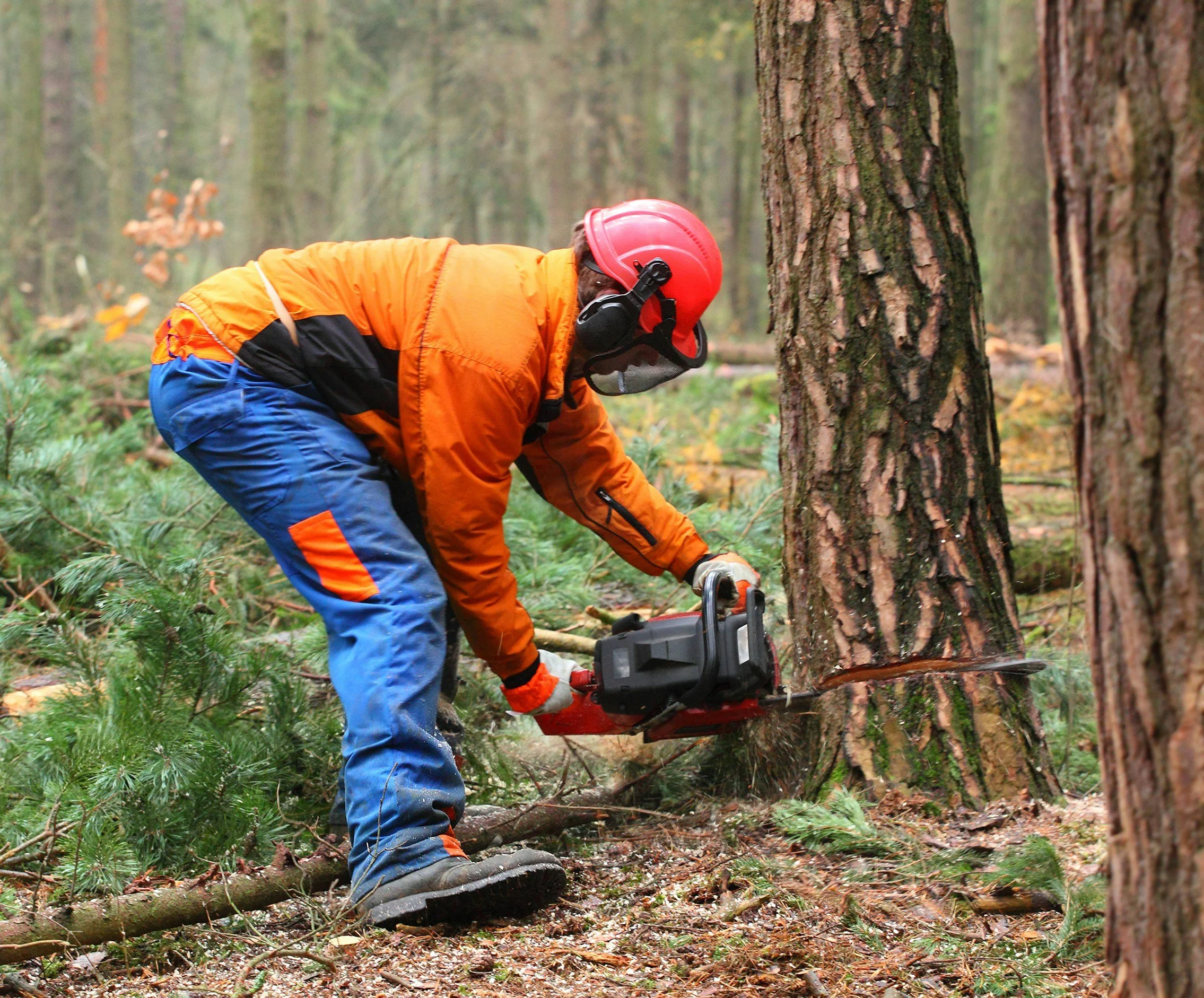
Welcome to Frontier’s R&D world: researching new forestry methods and better solutions
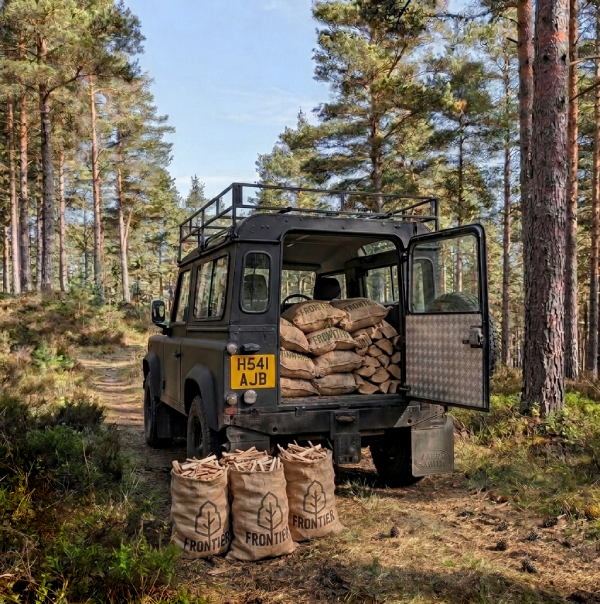
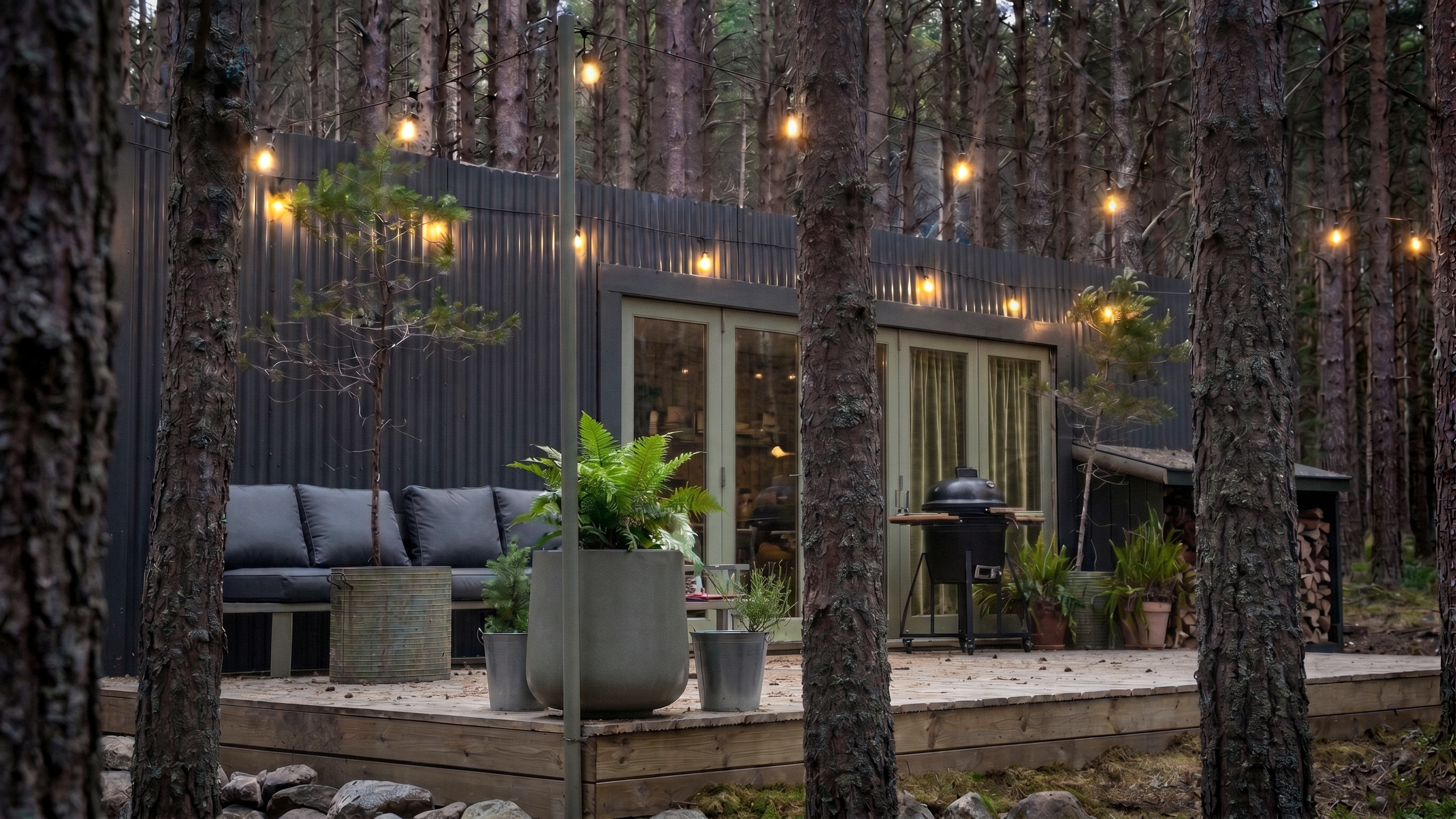
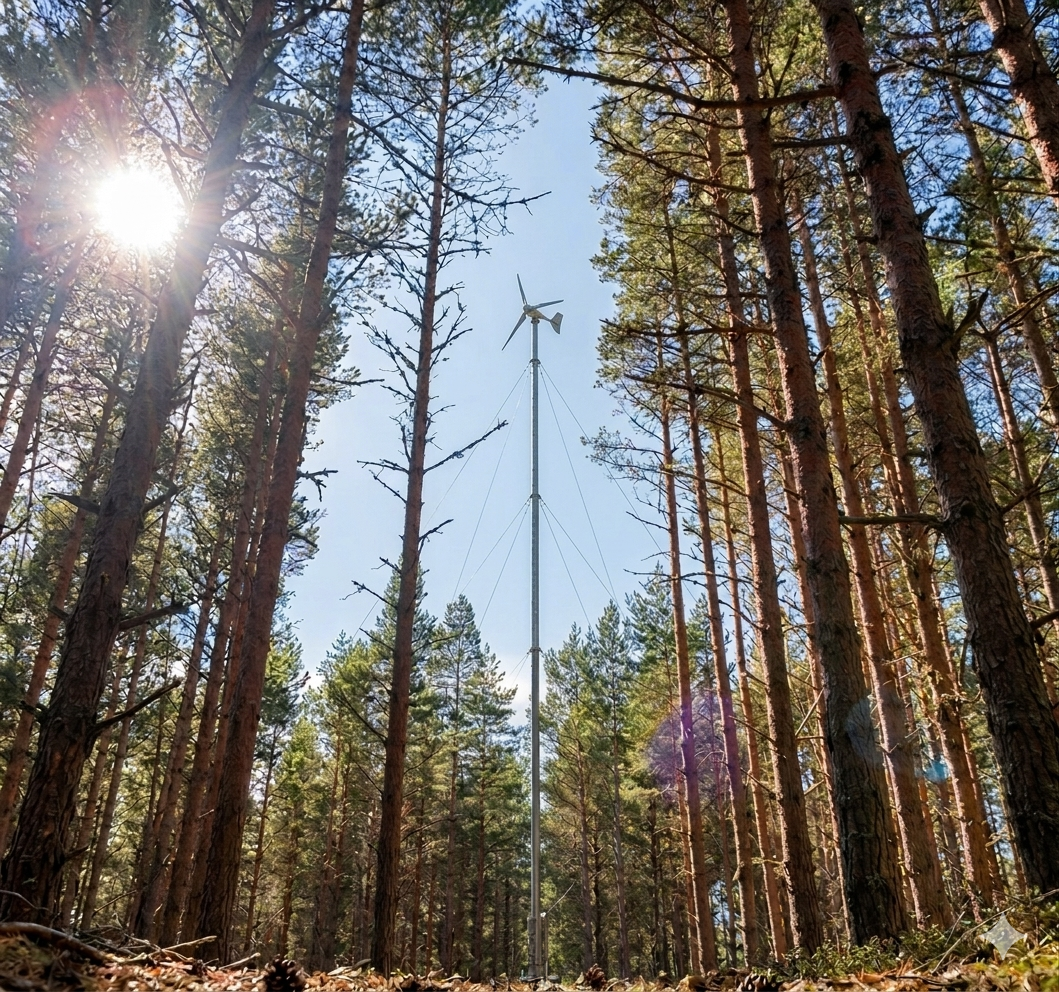
Frontier’s R&D mission is to discover and prove smarter ways of achieving our ambitious sustainability goals. Explore a sample of our forestry work in the Scottish Highlands below. Practical innovation experiments represent learning and benchmarking opportunities. Our strategic objectives depend on getting things right and also testing the baseline assumptions of forestry to establish what to keep and what to change. By atomising R&D experiments, measuring and testing assumptions and variables on site, extraordinary differences in output can be observed. When mistakes are made, they are controlled risks. When promising results show up, they can be analysed and modelled at scale.
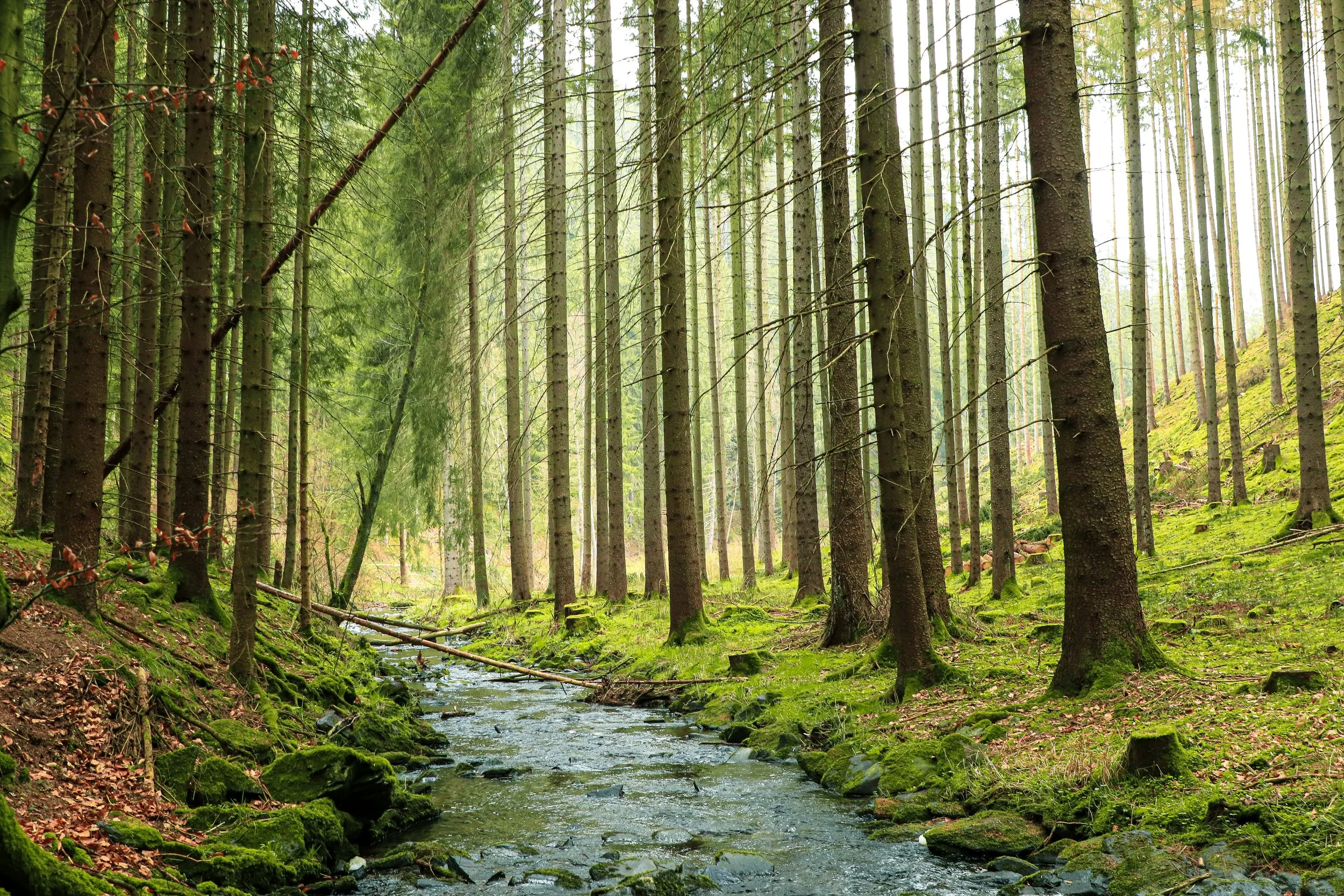
Can forestry be ecologically rich with biodiversity, and more rewarding for investors? Why not? Sustainability is non-negotiable. We mean sustainable in all senses. These are our three inseparable pillars. With each R&D experiment, there is a measurable ecological upside objective and a sustainability objective; always. There must always be economic value creation too.
Forestry 2.0 can not be achieved by doing things the way they have always been done. Where others may see ‘waste’ or ‘loss’ or ‘unviable’, we see opportunity to innovate. Creativity and experimentation are mechanisms of any turnaround. Each project reflects our drive to master forestry stewardship; lessons learned by doing. We are seeking to prove (after 70+ years of ecological harm) that we can make forestry the mainstream investors' first choice, not because ecological uplift is rewarding (it is), but because the financial return is better (in the long term) too. Win-win.
Not everything that works at large scale works on a small scale, and vice versa. Our pilot site is an opportunity to focus special attention on making forestry economics function much better on a small scale. Local job creation and productivity are key objectives for measurable uplift. If we can turn around a deadlocked micro-scale plantation, with no precedent of commercial viability (written off as uneconomic), Frontier has an opportunity to prove that other ‘uneconomic’ (unproductive) forest sites can also be turned around through enterprise and innovation. Win-win.