
Diversifying The Foodweb
Ecological Diversification Through Native Wildflower Seeding
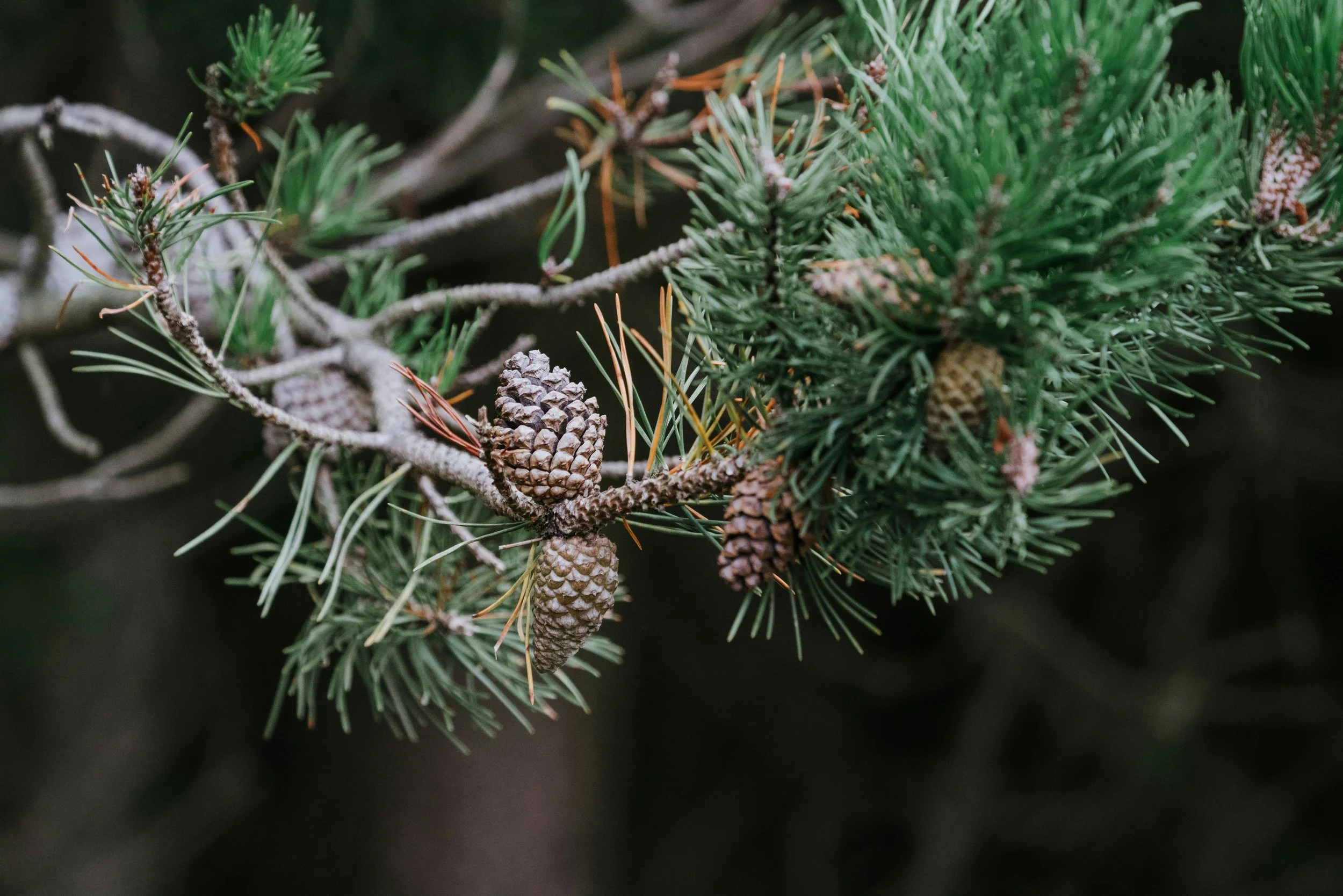
The introduction of native wildflower species has been a deliberate intervention to restore ecological balance within previously simplified forest systems. In areas historically characterised by monocrop stands, targeted thinning has created the necessary light and spatial conditions for a broader spectrum of flora to establish and persist. This transition from ecological uniformity to diversity is fundamental to improving resilience, soil health, and trophic complexity.
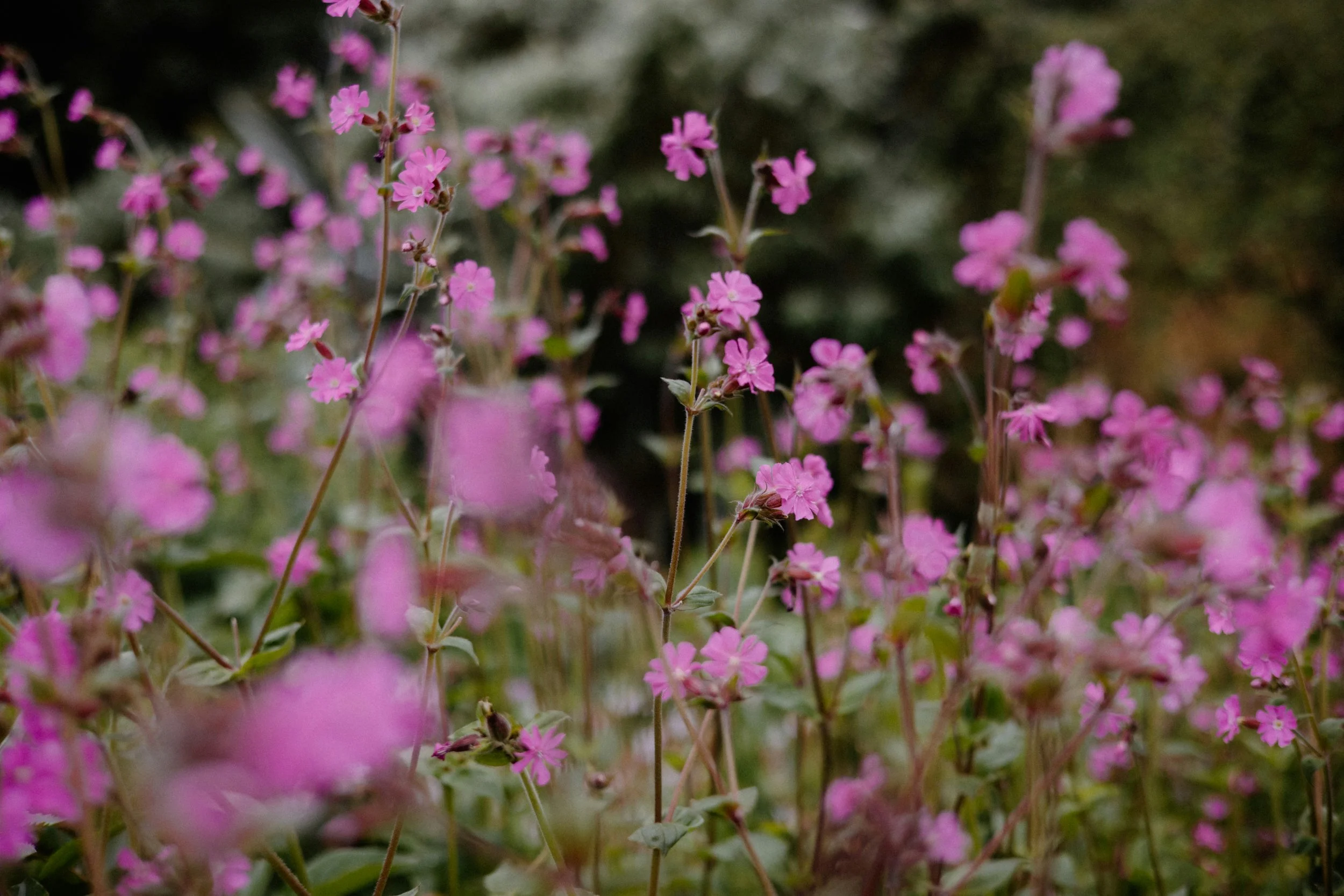
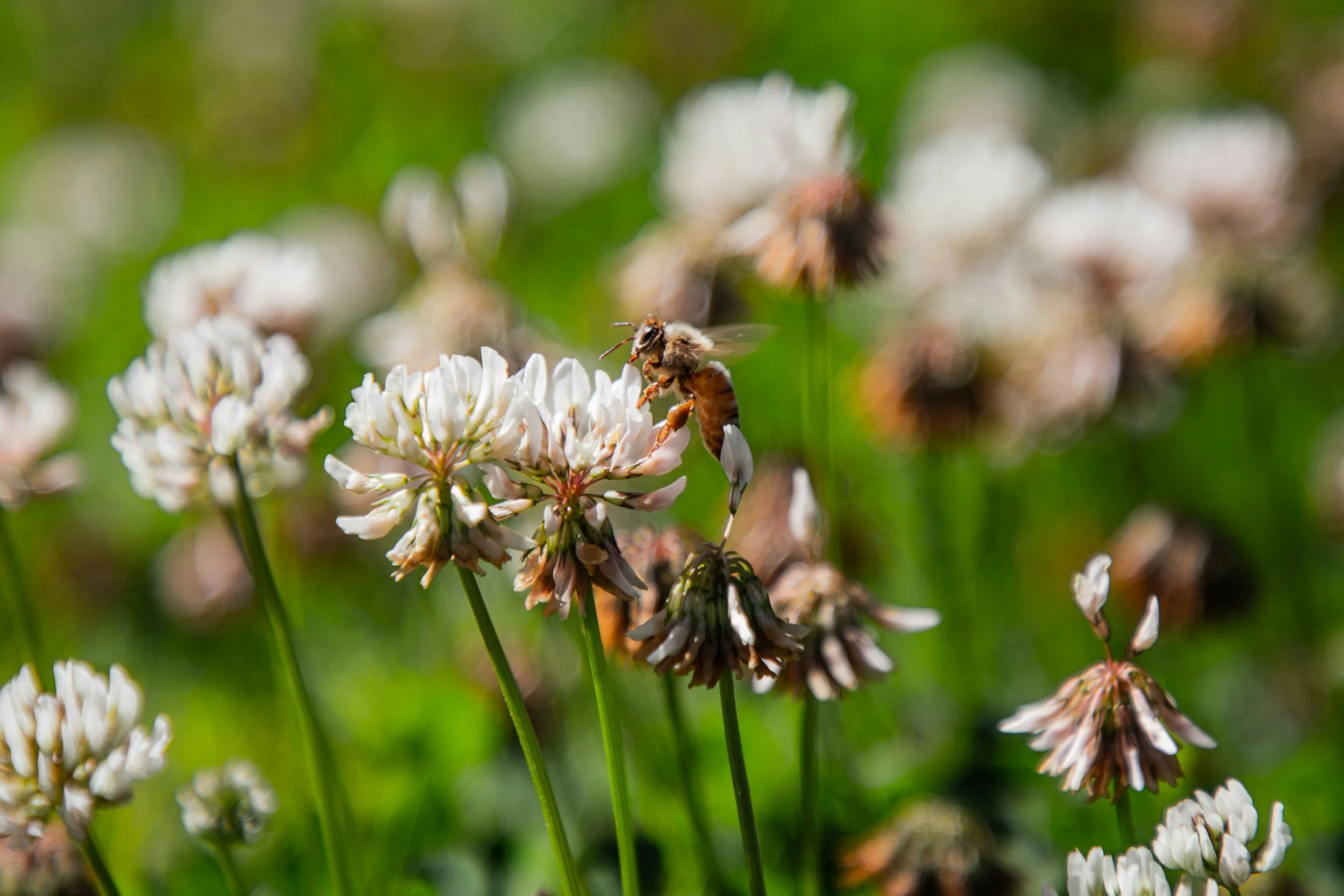
At Dalbuaik, this approach has proven particularly beneficial for pollinators. The expansion of flowering species provides continuous and varied forage, supporting healthier bee populations while also enhancing habitat quality for a wider range of insects. This, in turn, strengthens higher trophic levels: birds and bats benefit from a more abundant and nutritionally diverse insect base, reinforcing the interconnected dynamics of the forest ecosystem.
Our methodology involves progressive seeding of carefully selected native species, calibrated to local conditions and seasonal cycles. The objective is not only ecological restoration but also the development of scalable, cost-efficient models that can be applied across larger forestry landscapes. This value-engineered approach ensures that biodiversity enhancement can be integrated into commercial forestry without compromising economic viability.
Beekeeping as a Forest-Based Enterprise
Complementing these ecological interventions, beekeeping is the next stage of progression, being established as a natural extension of forest productivity on site. The enriched floral environment supports the production of high-quality organic honey, positioning this as a viable non-timber forest product alongside low-carbon kindling that can serve local customers.
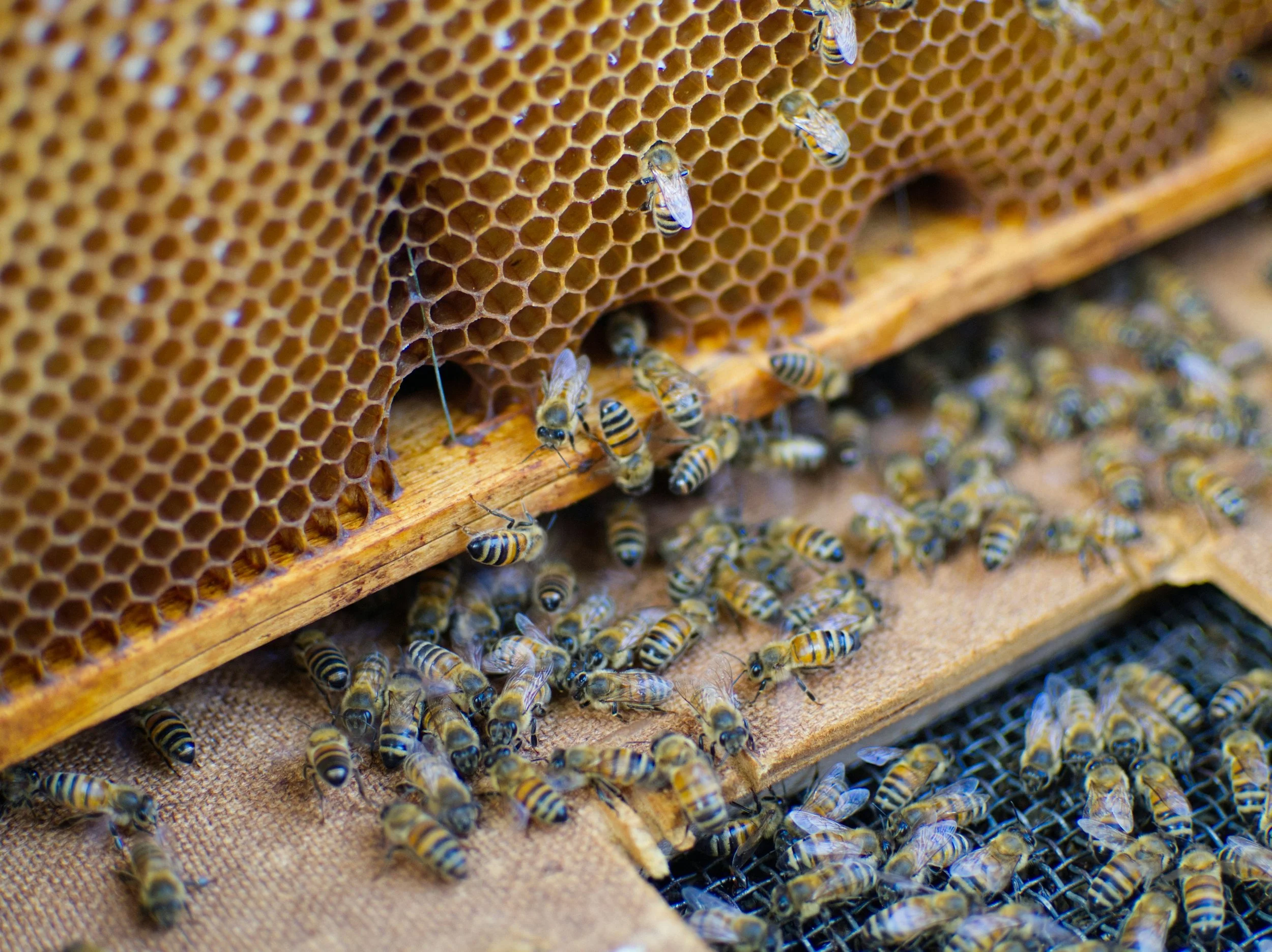
Frontier is advancing a collaborative training model for forest-based beekeeping, engaging local community newcomers. This initiative is designed to equip a new generation with practical skills in apiculture, while fostering meaningful engagement with the natural environment. By linking ecological stewardship with income-generating opportunities, the programme supports both rural livelihoods and long-term environmental sustainability.
Complementing these ecological interventions, beekeeping has been established as a natural extension of forest productivity. The enriched floral environment supports the production of high-quality organic honey, positioning it as a viable non-timber forest product.
Frontier is advancing a collaborative training model for forest-based beekeeping. This initiative is designed to equip a new generation with practical skills in apiculture, while fostering meaningful engagement with the natural environment. By linking ecological stewardship with income-generating opportunities, the programme supports both rural livelihoods and long-term environmental sustainability.
Scientific Principles Underpinning the Approach
The ecological strategy applied at Dalbuaik is grounded in well-established principles of restoration ecology, biodiversity theory, and trophic network dynamics. Monoculture forestry systems, while efficient for timber production, are typically associated with reduced species richness, simplified habitat structure, and limited ecological resilience. These systems often exhibit lower functional diversity, making them more vulnerable to pests, disease, and environmental stressors.
Introducing native wildflower assemblages directly addresses these limitations by increasing plant species richness and extending phenological diversity—the timing and duration of flowering across seasons. This ensures a more continuous supply of nectar and pollen, which is critical for sustaining pollinator populations. Studies have shown that diverse floral resources can significantly improve pollinator abundance, reproductive success, and colony health, particularly in bee species that rely on varied diets for optimal nutrition.
From a systems perspective, this intervention enhances what is known as trophic connectivity. A more diverse plant base supports a wider range of herbivorous and detritivorous insects, which in turn provide a richer prey base for higher trophic levels such as birds and bats. This cascading effect contributes to greater ecosystem stability and can improve natural pest regulation through biological control mechanisms.
Soil health also benefits from increased plant diversity. Different root structures and symbiotic relationships—particularly with mycorrhizal fungi—enhance nutrient cycling, improve soil structure, and increase carbon sequestration capacity. These processes are integral to long-term forest productivity and climate resilience.
The selective thinning of canopy cover is a critical enabling factor in this system. By increasing light penetration and reducing competitive exclusion, it creates ecological niches that allow understory species to establish. This aligns with the intermediate disturbance hypothesis, which suggests that moderate levels of disturbance can maximise biodiversity by preventing competitive dominance.
Finally, the integration of beekeeping reflects principles of ecological economics, where ecosystem services—such as pollination—are aligned with productive outputs. Honey production in this context is not an isolated activity but a direct function of ecosystem health, creating a feedback loop in which biodiversity enhancement and economic value are mutually reinforcing.