
The European Perspective
Europe’s forests are under more scrutiny than ever, and rightly so. At Frontier Forestry we have read the new State of Europe’s Forests 2025 report in detail, and we see it as a landmark piece of work that deserves both careful attention and real appreciation. For anyone investing in, managing or legislating for forests, this is now essential reading – and it will quietly shape the operating environment for years to come.
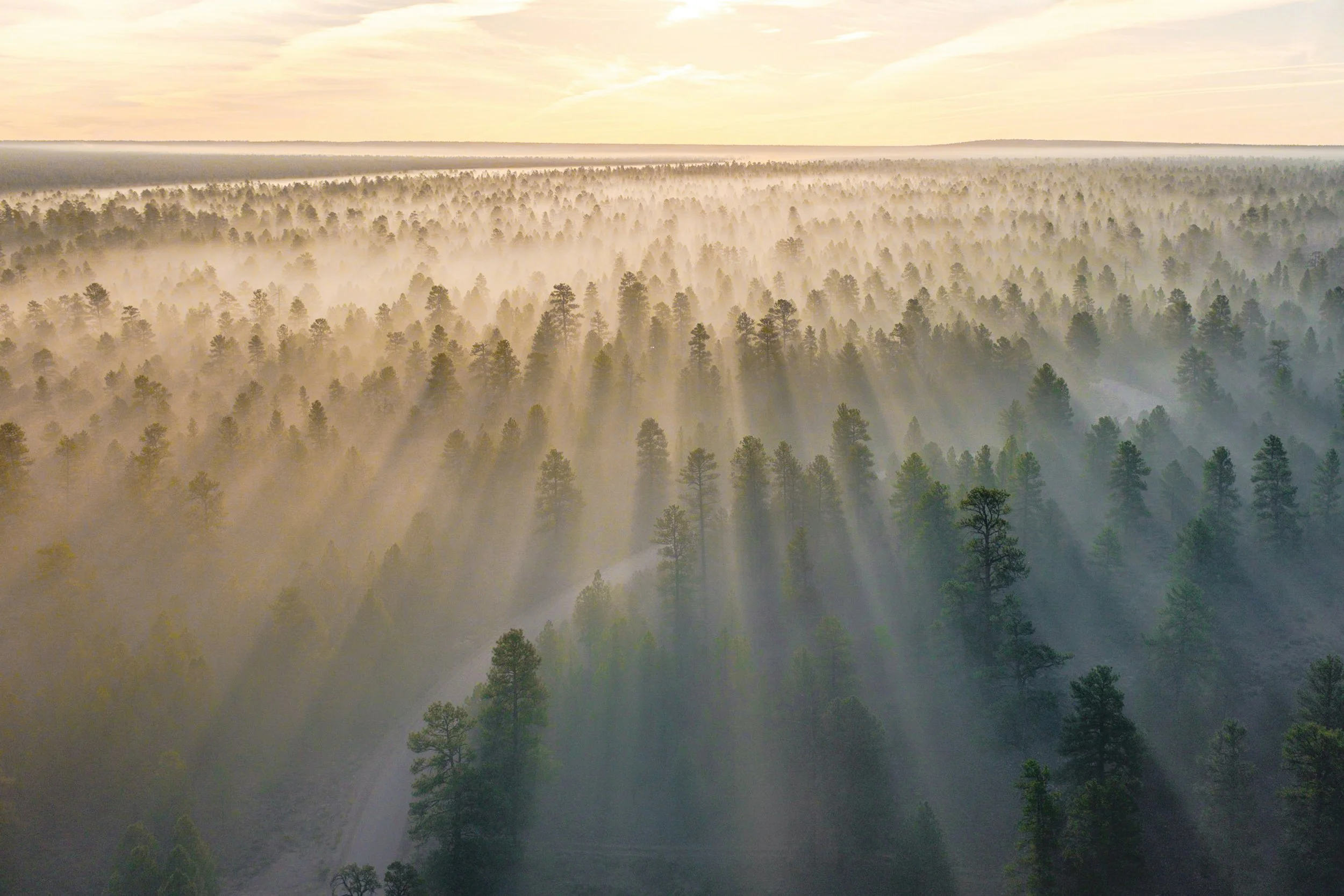
A flagship overview we genuinely rely on
The State of Europe’s Forests 2025 (SoEF 2025) is Forest Europe’s flagship assessment of the condition, management and use of forest resources across the continent. It compiles harmonised national data against internationally agreed indicators of sustainable forest management, providing a shared factual baseline for policymakers, researchers and practitioners. The report confirms that Europe’s forests remain a growing and strategically vital resource, with forest area still expanding and playing an increasingly central role in climate mitigation, biodiversity conservation and the bio‑economy. That breadth and methodological rigour mean investors like us can move beyond anecdotes and into decisions grounded in continent‑wide evidence.
We particularly welcome the emphasis on forests’ multiple ecosystem services. Forests are recognised not only as carbon sinks and sources of renewable raw materials, but also as providers of clean water, soil protection, recreation and rural employment. For Frontier Forestry, that multi‑functional framing aligns closely with how we look at asset value: long‑term performance is only possible when environmental, social and financial dimensions reinforce one another.
What the findings tell us as investors
From an investment perspective, the SoEF 2025 report offers three notable signals. First, Europe’s forests, in aggregate, remain a growing resource base, which underpins confidence in the long‑term availability of wood and in the stability of many forest‑based value chains. Second, the report also documents emerging pressures – from climate‑related disturbances to changing growth rates and competing land‑use demands – that make it clear this growth cannot be taken for granted. Third, the decision to adjust and delay the release timeline to “deliver maximum policy value” underlines how central forest data has become to wider European climate and nature policy.
As investors, we read that combination as both reassurance and a call to raise our game. Reliable, harmonised statistics reduce uncertainty and help us assess country‑level and regional risk with greater confidence. At the same time, knowing that harvest levels are high in many areas while tree growth is slowing in some places pushes us to interrogate assumptions about sustainable yield and resilience at the asset and landscape scale. The report does not tell us what to buy or plant, but it gives us a transparent framework against which our own analysis, modelling and site‑level data can be tested.
Respecting the work – and engaging with the debate
Producing SoEF 2025 has taken years of collaboration between Forest Europe, national administrations, scientists and technical experts. Frontier Forestry has deep respect for that effort and for the ambition to provide sound, comparable data for all 46 signatory countries. It is precisely because the report is so influential that it has also attracted scrutiny and critique, including from civil society organisations who argue for stronger indicators around forest condition, biodiversity and social outcomes. We view that debate as healthy; a dataset of this importance should invite challenge, refinement and improvement over time.
Our role is not to take sides in every methodological argument, but to remain closely engaged with the evolving evidence base. When European environmental agencies highlight the crucial role forests play in climate regulation, water cycles and natural hazard mitigation, we integrate this into our assessment of long‑term asset risk and opportunity. When NGOs point to gaps in monitoring or concerns about over‑reliance on biomass, we treat that as a prompt to stress‑test our assumptions and to ask sharper questions on the ground. In both cases, the SoEF 2025 report is the common reference point that keeps the conversation anchored in facts rather than rhetoric.
Why this matters for Frontier Forestry’s partners
For landowners, communities and co‑investors working with Frontier Forestry, our close attention to SoEF 2025 is not an academic exercise – it is part of how we steward capital and landscapes responsibly. The report’s clear statement that Europe’s forests are expanding yet facing intensifying environmental pressures mirrors what we see in our own due diligence and management planning. By aligning our internal analysis with this continent‑wide assessment, we can calibrate expectations around growth, harvesting, risk and policy change more accurately.
Most importantly, SoEF 2025 helps create a shared language between investors, policymakers and practitioners. When we talk about sustainable forest management, climate contribution or forest condition with partners, we are referring back to the same indicators and trends that the report sets out. That transparency is central to the way Frontier Forestry operates. We are committed to being informed, evidence‑based investors who both respect and actively use the best available science and statistics. The State of Europe’s Forests 2025 report is a cornerstone of that commitment – and we are grateful for the expertise and effort that made it possible.
